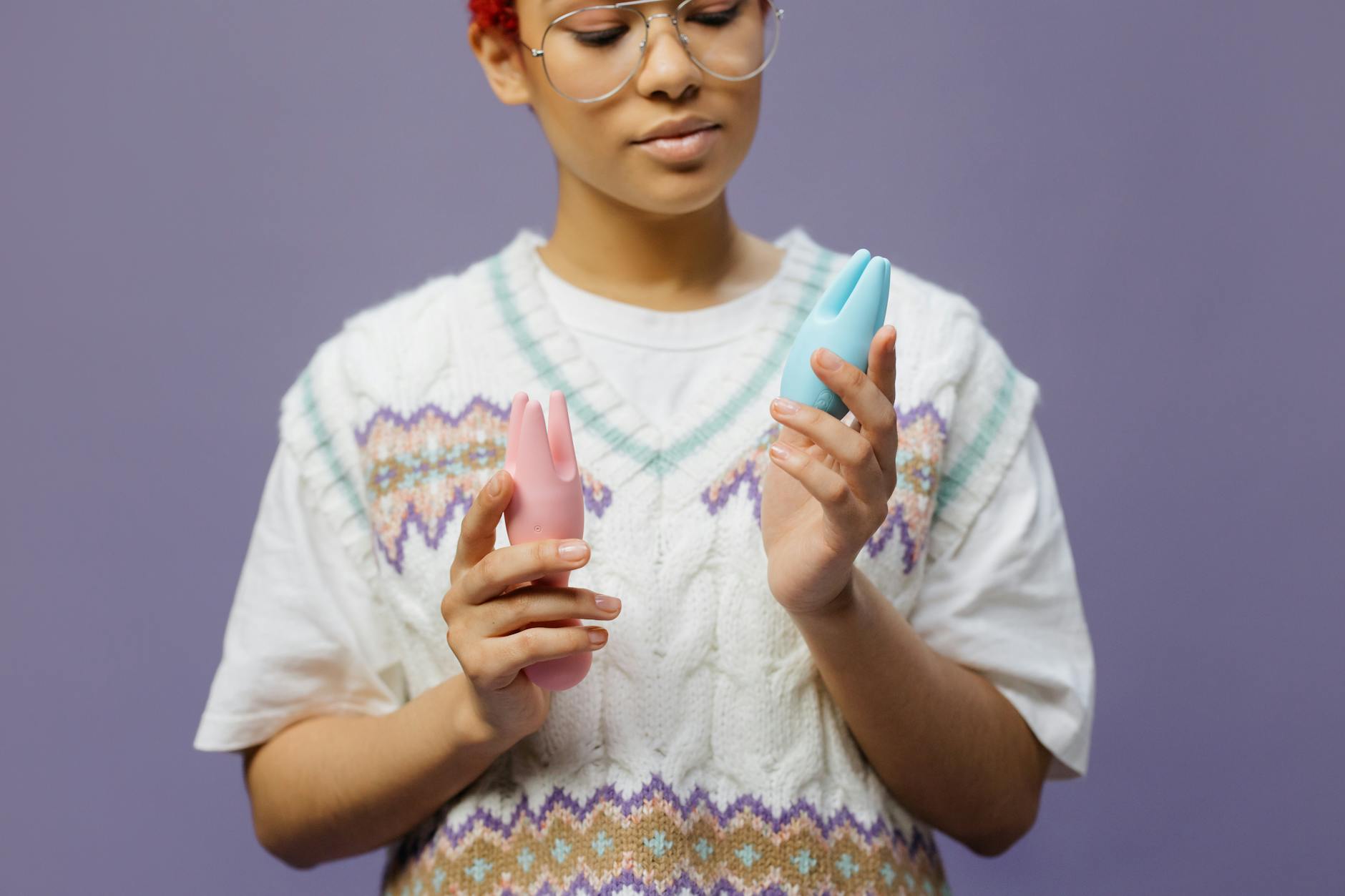
Let's start with the honest part
Coming back to pleasure after illness or recovery is not like flipping a switch. Your body's been through something. Maybe surgery, maybe a prolonged illness, maybe medication that shifted everything. Even if you're physically cleared, the mental part of returning to intimacy—especially solo—can feel awkward, uncertain, or even grief-laden. That's completely normal.
Here's what I see in my practice: people worry they've lost themselves. They haven't. The capacity for pleasure is still there. It just needs a gentler reintroduction.
Why your body feels different after recovery
Three layers are usually at work.
First, there's the physical. Depending on what you've been through, nerve sensitivity might feel muted. Medication can dull sensation. Surgery sometimes changes how tissue feels or responds. That's not permanent—it's the current state. Your body's not broken; it's healing.
Second, there's the neurological piece. After illness or recovery, your nervous system is recalibrating. Stress, pain, or fear of reinjury genuinely quiets arousal signals. Your brain is being protective. That's a feature, not a bug. It just means you need a lower-pressure entry point than you might have used before.
Third is the emotional layer. You might feel disconnected from your body, or angry at it, or scared of what pleasure means now. Some people feel guilty about wanting pleasure again when they've been focused on survival. These feelings run deep and deserve acknowledgment.
Why a lemon clitoral vibrator works for this specific moment
A lemon vibrator is deliberately designed for sensitivity and control. Here's why it's ideal for return-to-pleasure work.
The suction mechanism is gentler than traditional vibration. It doesn't require you to build the same level of direct tissue stimulation. Instead, it creates a rhythmic suction that engages nerves without the mechanical intensity. If sensation feels muted post-recovery, suction is often easier to feel clearly than buzz.
You have pattern control. The Lem offers multiple patterns, which means you can start at the absolute lowest setting—pattern 1 or 2—and work up only if it feels good. No rushing. No pressure. You're not trying to hit a goal; you're listening to what your body is telling you.
It's quieter and more discreet than most toys. After recovery, you might not have the energy or confidence for something that feels "obvious." A lemon vibrator is quieter and smaller than wands, which means it feels less performative. That matters when you're rebuilding trust with your own pleasure.
It fits cleanly into solo exploration. If you're returning to pleasure alone first—which I almost always recommend after illness or recovery—a lemon vibrator is designed for solo use. It doesn't require a partner or any logistics beyond privacy and a couple of minutes.
How to actually reintroduce pleasure: the framework
Four phases, and you move at your own pace.
Phase 1: Exploration without expectation (Week 1-2). Set aside 10 minutes, privacy, and zero agenda. Don't try to get somewhere. Hold the Lem in your hand. Feel it. Familiarize yourself with the buttons. Turn it on at pattern 1 and just notice the sensation. No performance pressure. This phase is about reacquainting yourself with the idea of pleasure—not about achieving it.
Phase 2: Location testing (Week 2-3). Now you're finding where sensation is clearest. Some areas might feel more sensitive than others post-recovery. Inner thighs, the outer edges of the labia, the clitoris itself—test gently. You're mapping what feels good right now, not what used to feel good. Past preferences don't apply yet.
Phase 3: Gradual building (Week 3-4). Once you've found a spot that registers clearly, spend time there. Increase the pattern only if it feels natural. You're not chasing intensity; you're letting arousal build on its own timeline. This might feel slower than you're used to. That's the point. After recovery, slow is where your nervous system can trust the process.
Phase 4: Integration (ongoing). When pleasure starts returning—and it will—you can introduce your partner (if you want), vary settings, or explore longer sessions. But the difference is that you've rebuilt the foundation solo first. You know what your body can do now. That knowledge changes everything.
The lubrication question
Most recovery processes involve either medication, deconditioning, or both. This often means natural lubrication takes longer to arrive. Use a water-based lubricant even if you never needed one before. It's not a sign something's wrong. It's your body being honest about its current state.
Apply it generously. Give yourself permission to use more than feels intuitive. Friction after recovery can feel uncomfortable or even painful if tissue is still sensitive. Lubrication removes that variable and lets you focus on sensation alone.
When to bring a partner back in
If you're partnered, timing matters here. I recommend you spend at least 2-3 weeks exploring solo before you invite your partner into the process. Here's why: you need to know what feels good without anyone else's expectations in the room.
When you're ready to share, start by showing them the Lem without a performance. "I'm rebuilding pleasure. I want you to know what that looks like." If they participate, they can help you remember what you like—not push you toward old patterns.
The mental part is half the work
Maybe more than half. Okay, let's be real: it might be 75 percent.
After illness or recovery, your brain needs permission to want pleasure again. You might feel like you "should" be past this by now. You're not behind. You're exactly on time. Some days you'll feel hopeful about returning to intimacy. Some days you'll feel resentful at your body for ever being vulnerable. Both are legitimate.
If you're working with a therapist, mention this specifically. Recovery in the pleasure department often gets overlooked in clinical care, but it's a real component of reclaiming your body post-health-crisis.
Common friction points and how to navigate them
"I don't feel anything yet, even on the highest setting." Pause. You're probably trying to force sensation instead of inviting it. Go back to pattern 1 or 2. Spend longer there. Let your nervous system settle. Sensation often returns gradually, not suddenly.
"My partner wants to jump back to normal faster than I do." This is a conversation, not a problem to solve alone. Tell them directly: "I need us to slow down while I'm relearning my body." Most partners will respect that once they understand it's not about them.
"I'm grieving what pleasure used to feel like." That's a real loss. Some sensations might feel different post-recovery. That doesn't make them worse—just different. Give yourself space to adjust to the new baseline.
"I'm scared of reinjury." Check with your doctor about what's actually safe. Once you know the physical boundaries, stay within them. A lemon vibrator is low-impact. If your doctor cleared you for sexual activity, they cleared you for this.
FAQ: Your questions answered
How long does it typically take to rebuild sensation after major surgery?
Three to six months is common for full sensation to return. But pleasure can come back sooner—sometimes within weeks if you're patient and consistent. The variability depends on the type of surgery, your age, and your baseline recovery speed. Your body has its own timeline. Trust it.
Can I use a lemon vibrator if I'm still taking pain medication?
Yes, but be aware that opioids and some pain relievers can dull sensation further. Talk to your doctor about adjusting medication timing if possible—say, using the vibrator a few hours after dosing when the medication is less acute. Water-based lube becomes even more important here.
Is it normal to cry during or after pleasure when returning post-recovery?
Completely normal. You're reconnecting with a part of yourself that felt lost. That's emotional. Tears are part of healing. If it's accompanied by panic or intrusive thoughts, that might warrant working with a therapist who specializes in somatic healing.
My partner wants to use the Lem on me, but I'm not ready for that yet. How do I explain without hurting their feelings?
Direct and simple: "Solo right now feels safer while I'm relearning. When I'm ready to share, I'll let you know." Most partners respond well to honesty. If yours doesn't, that's information about your relationship worth exploring—possibly with a couples therapist.
Can I damage anything by using a lemon clitoral vibrator while recovering?
Not if you start low and listen to your body. If something hurts, stop. A good vibrator shouldn't cause pain. Pressure or intensity—sure. But sharp pain is a signal to pause and check with your doctor.
What if pleasure still hasn't returned after six months of trying?
Then it's time to involve a specialist. Some recovery situations need pelvic floor physical therapy, hormone assessment, or work with a sex therapist who understands post-illness recovery. You deserve professional support here, not just a vibrator. Nothing wrong with asking for help.
Coming back is not starting over
Your body remembers pleasure. The pathways are still there. Recovery is just about rebuilding the connection—slowly, patiently, with tools designed for gentleness. A lemon vibrator is one of those tools. It gives you control, sensation clarity, and a way to reintroduce pleasure without performance pressure.
You're not broken. You're healing. That's the difference. And healing takes time. Honor that.
If you're struggling with the emotional weight of returning to intimacy, talking to a professional can help—whether that's your doctor, a therapist, or both. Pleasure is part of recovery. You deserve support in reclaiming it.
For more on navigating intimacy after major life shifts, check out our guide on how to reconnect with pleasure after a long relationship drought. It covers similar terrain from a different angle.