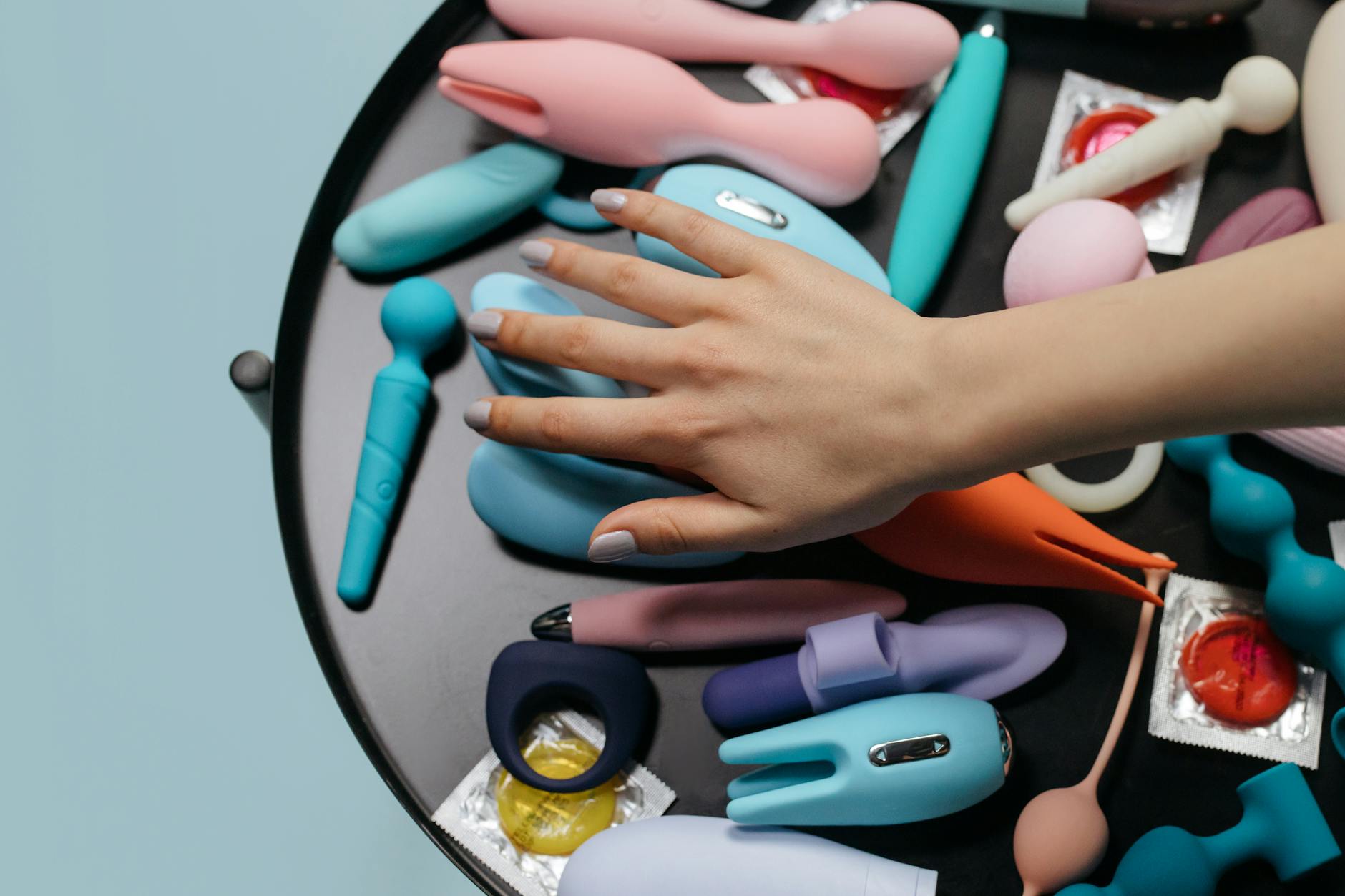
How to Use a Lemon Vibrator for Better Sensation With a New Partner
The conversation nobody teaches you. How to bring a lemon vibrator into your intimate life with someone new without fumbling, and why it often deepens trust instead of complicating it.
How do you bring toys into the bedroom with someone you're still figuring out? It feels vulnerable, awkward, and weirdly exposing. You might worry they'll take it the wrong way, or assume you're not satisfied with them. Here's what I've seen clinically: that conversation is usually less scary than the silence that replaces it.
There's a window. Too early (first few encounters), and it can feel clinical or like you're skipping steps. Too late (months in, when patterns are locked), and it can feel like criticism. The sweet spot is usually 4-12 weeks in, after you've established physical comfort but before you've crystallized all your habits.
The best time to introduce a lemon vibrator is when you're already having good sex. Not desperation sex, not "let's fix something" sex. That distinction changes everything about how they'll receive it.
Don't ambush them with a toy mid-session. Have this talk clothed, relaxed, not during foreplay. Here's the framing that works:
"I've been thinking about us exploring more sensation together. I really enjoy what we do, and I'm curious if you'd be open to adding something in. I'm interested in trying it together because I want us both to feel good."
Notice what that does: it's about us, not about you. It's collaborative. It removes the subtext of "you're not enough."
Their response might be enthusiastic, hesitant, or curious. If it's hesitant, ask what they're worried about. Often it's one of three things: they think you're not satisfied, they don't want to feel replaced, or they're just unsure how it works. All of those are answerable.
A lemon sucker or clitoral vibrator like the Lem works differently than traditional vibrators. The suction mechanism doesn't feel intrusive in the same way. It's less of a "device between you" and more like an enhancement that your partner can hold, explore with, and actively participate in.
For a new partner dynamic, this matters. They're not just watching. They're learning your body, experimenting with intensity and rhythm, feeling how you respond. That's intimate in a way that changes the experience.
First time? Start with your partner holding the lemon vibrator. Not you. This gives them agency and prevents the awkwardness of you disappearing into your own pleasure while they're figuring out where to sit.
Begin with the lowest settings. Lem vibrators typically have 3-5 intensity levels. Start at 1 or 2. Let them explore where on your body feels best. Some people enjoy it on the clitoral hood, some want direct contact, some want it on the inner labia. Your partner learning this about you creates intimacy.
Talk as you go. "That feels good." "Go a bit higher." "Slower." Not clinical talk, just the same kind of direction you'd give during regular sex. This normalizes the toy as part of your shared language, not as something separate or shameful.
Here's something that catches people off guard: you might orgasm differently with someone else in control of the vibrator. It's not necessarily more intense, but it's different. There's a psychological element of surrender that changes everything.
Your partner might discover that the their arousal from watching you respond is more significant than they expected. That's real data about what turns them on. Lean into that. It's information that matters.
If intensity feels overwhelming, dial it down. If sensation feels muted, experiment with the angle. This is exploration, not performance. The first time won't be perfect, and that's completely fine.
After the first few times together, you might want to use the lemon vibrator while they touch you elsewhere, or you might want to use it while they're inside you (if that applies to your dynamic). This is natural progression.
Before you do that, ask. "I'm curious what it would feel like if I used the vibrator while you..." They need to know it's coming. Nobody wants a surprise toy mid-sex. Beyond that, the same principles apply: start low, communicate, pay attention to what feels good.
I work with a lot of couples, and I notice something: the act of introducing toys rarely causes disconnection. The silence around it does. The moment you say "I want to explore this with you," you've created vulnerability, and vulnerability creates intimacy.
Your partner might feel honored that you're trusting them with this. They might feel curious about your body in a new way. They might worry they're doing it wrong, which gives you a chance to reassure them. All of that is connection.
If your partner feels uncomfortable, don't push. Ask what's underneath. Are they worried about their own arousal? Are they intimidated? Do they need to understand how to use the lemon clitoral vibrator first? Sometimes just handing it to them (alone, clothed) and saying "here's how it works" removes the performance anxiety.
If sensation feels weird or unpleasant the first time, that's normal. It might take three or four sessions before your body settles into it. Lemon vibrators work differently than other toys, and the suction sensation is specific. Give yourself grace.
If your partner is enthusiastic but you're hesitant, that's information too. Maybe the timing was off. Maybe you need more foreplay first. Maybe you need them to understand your body better before adding a tool. None of that means you're broken.
Once a lemon vibrator becomes part of your shared intimate language with a new partner, other conversations become easier. Desire, rhythm, what you actually want. You're both practicing the skill of asking for pleasure without shame.
That changes the whole trajectory. Partners who can talk about toys can talk about most things. The vulnerability required to say "I want this" or "that doesn't work for me" transfers to other areas. You become better at advocating for yourself, and they become better at listening.
You don't, until you ask. But here's what signals openness: they ask about your pleasure, they're curious about your body, they respond well to communication during sex. Those are the people who usually respond well to this conversation. If someone gets defensive about you naming pleasure, that's separate information about the relationship.
Absolutely, though it might feel more vulnerable initially. But having your partner explore your pleasure can sometimes build comfort faster than being alone. Just make sure you're choosing to share, not performing for them. The difference matters.
That's expansion, not replacement. If they want to enjoy a lemon clitoral vibrator solo while you're intimate together, that's a conversation about what brings you both pleasure. Get curious instead of defensive. It might be something you both enjoy.
No. Real sex is whatever consensual adults decide it is. A toy is a tool that helps you access sensation. It doesn't change the intimacy, the presence, or the connection. If anything, it deepens those things because you're both engaging more deliberately.
Both serve different purposes. With a partner, you're building shared language and experience. Alone, you're learning your own body. Neither is better. They're complementary. Most people benefit from doing both.
Then it doesn't work, and that's fine. Some couples love toys, some don't. Some people love lemon vibrators specifically, others prefer different sensations. Your job is to stay curious, not to force a particular outcome. The goal is pleasure, not checking a box.