Here's what actually happens to your cervix as you age
Let's be real: nobody talks about cervical sensitivity changes. Your doctor probably hasn't mentioned it. Your friends definitely haven't. But if you've noticed that direct internal stimulation feels different, sharper, or even uncomfortable lately, your cervix is trying to tell you something important.
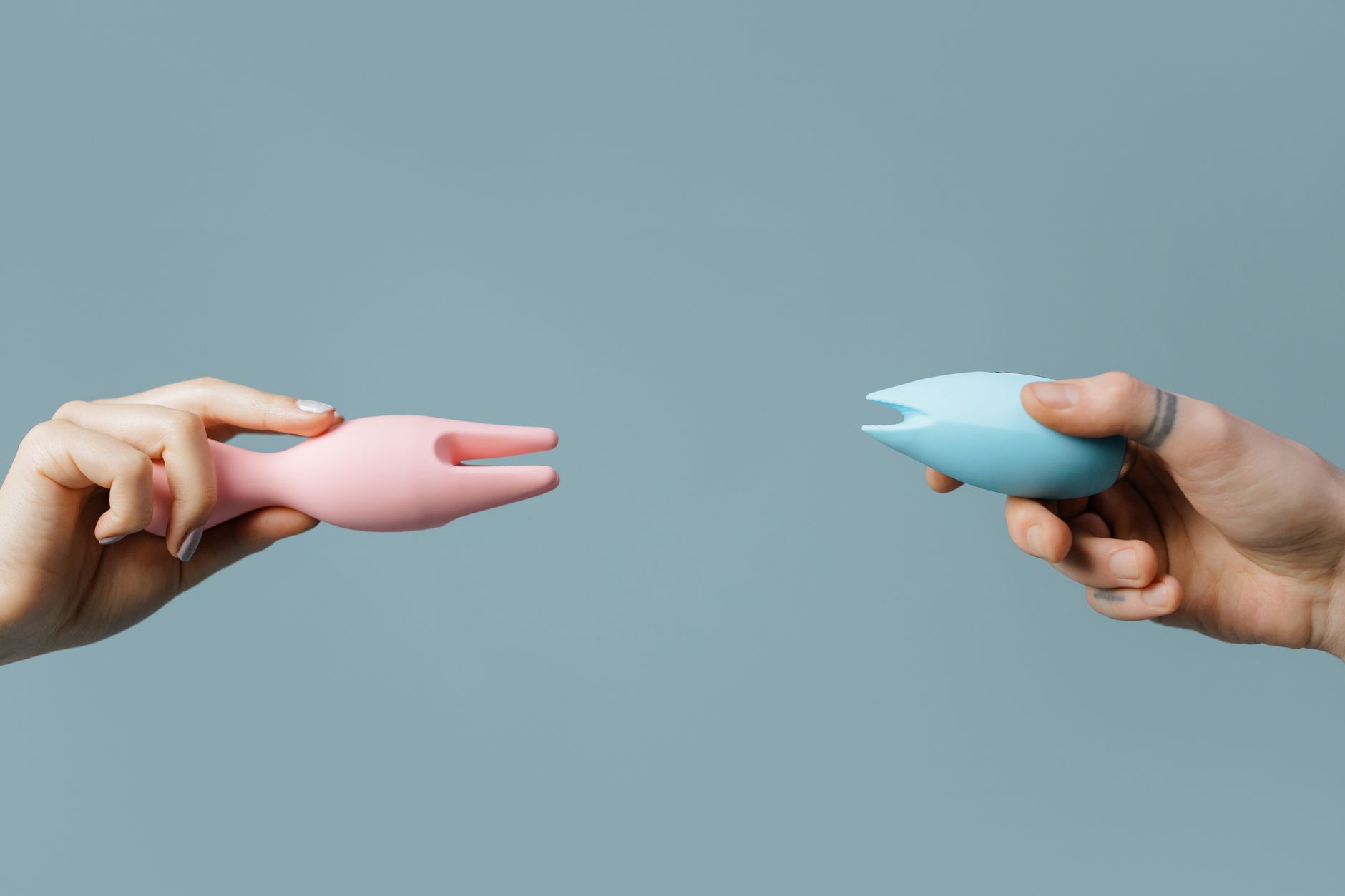
Cervical sensitivity doesn't follow a straight line through life. It ebbs and flows based on hormones, tissue thickness, inflammation levels, and sometimes just the random biology of aging. The lemon clitoral vibrator is one of the most effective tools for navigating these shifts because air-suction stimulation works primarily on external tissue, which gives you precision control without relying on deep penetration or intense internal pressure.
Why cervical sensitivity shifts as you age
Three physiological changes happen:
1. Cervical tissue thins. Estrogen drops over time. This isn't just a menopause story. Women in their 40s, 50s, and beyond experience gradual shifts in cervical tissue thickness and elasticity. Thinner tissue means sensitivity increases. A touch that felt neutral at 35 might feel sharp at 55.
2. The cervix moves. Throughout your cycle (or, if you're post-menopausal, just randomly), your cervix drops or rises. When it's lower, it's closer to the vaginal opening and more easily stimulated. When it's higher, the angle changes. This positional shift is normal but can explain why the same toy or technique feels wildly different day to day.
3. Inflammatory responses change. As we age, the immune cells in cervical tissue become more reactive. Minor friction that didn't bother you before might now trigger mild inflammation, swelling, or that raw feeling you get after too much activity. It's not injury. It's your body's threshold for stimulation adjusting.
What this means for your lemon vibrator practice
Here's the practical part. The lemon suction vibrator works beautifully for age-related cervical sensitivity because it separates clitoral pleasure from cervical contact. You're not pushing against the cervix. You're focusing stimulation on the clitoris and vulva, which lets you decide exactly when and how much internal sensation you want.
But technique matters. A few adjustments transform the experience:
Start with external stimulation only. Don't rush internal play. Use the lemon on your clitoris for the first 10-15 minutes. Let your body warm up fully. This increases blood flow to the area, which actually makes tissues more resilient and less reactive to pressure.
Use the lower suction patterns first. The Lem vibrator has multiple intensity settings. Most people jump to pattern 4 or 5. Don't. Start at 1 or 2. Your cervix doesn't care that you're experienced. Age changes the game, and respecting that is not weakness. It's intelligence.
Map your cervix's position. Before you use any lemon sexual toy internally, know where your cervix is. A simple check: clean finger, gentle insert, feel the firmness at the back. High? Low? Off to one side? Tilted? Once you know, you can position differently to avoid direct contact. This sounds clinical, but it literally prevents discomfort and dramatically improves sensation.
Angle matters more now. If your cervix is sensitive, come at it from the side rather than dead-center. Most people don't think about angle. They just go straight in. A 15-degree shift changes everything. If internal sensation is uncomfortable, avoid the 12 o'clock position entirely.
Lubrication becomes non-negotiable
At any age, good lubrication helps. With cervical sensitivity, it's essential. Thinner cervical tissue needs the buffer that lube provides. It's not a sign of arousal deficit. It's basic tissue care.
Water-based lube is safest with the Lem. It won't degrade silicone, and it's easy to add more mid-session without mess. Apply generously. More than you think you need. Your cervix will thank you.
Photo by FounderTips on Pexels
When to pause and what to watch for
Discomfort is data. Not all discomfort means stop forever. Some discomfort means adjust. Here's how to know the difference:
Good discomfort: mild pressure sensitivity, a feeling of fullness, gentle aching that fades within an hour after stopping. This is normal tissue response to stimulation.
Bad discomfort: sharp pain, pain that intensifies rather than fades, bleeding after play, discomfort that lingers for hours, or anything that makes you tense up and hold your breath. These signal something's wrong. Stop immediately.
If bad discomfort happens once, you probably just hit a position that didn't work. If it keeps happening, see your doctor. Cervical polyps, inflammation, or other changes are treatable. Ignore them, and they don't go away.
The mental shift that changes everything
Honestly, the hardest part isn't physical. It's psychological. Many people reach their 40s, 50s, or beyond convinced that their best sexual experiences are behind them. That sensitivity means things are breaking. That reduced pleasure is just how aging works.
It's not. Reduced pleasure usually means you're using the same approach your 25-year-old body responded to. Your 25-year-old body and your current body aren't the same. That's not regression. That's evolution.
I've worked with hundreds of people navigating this exact shift. The ones who thrive are the ones who get curious instead of defeated. They try new angles. They test different patterns on the Lem. They pay attention to their body's actual responses instead of what they think should happen.
Your cervical sensitivity changing is not a loss. It's information. And information is power.
Practical tips for deeper pleasure
Here are the moves that work:
Layer sensations. Use the lemon clitoral vibrator externally while your partner or you uses a finger internally (if that's part of your practice). Separated stimulation is often more comfortable than a single deep-pressure toy. The Lem handles the clitoral side perfectly.
Build incrementally. Don't jump from five minutes to thirty. Add five minutes per session. Let your body adjust gradually. Cervical tissue responds better to progressive introduction of sensation than shock.
Vary your session length. Sometimes ten minutes is perfect. Sometimes twenty is. There's no rule. Listen to your body. If sensation stops feeling good, stop.
Explore during your cycle. If you menstruate, your cervix is higher pre-ovulation and lower post-ovulation. You might find certain patterns feel better in different parts of your cycle. Track what works. That's data you can use.
Consider a companion approach. Some people find that using a lemon clitoral vibrator alongside partner intimacy (rather than as the main event) feels more balanced as they age. Less pressure on the cervix, more connection overall.
FAQ: Cervical sensitivity and aging
Q: Does cervical sensitivity mean something is wrong?
No. Changing sensitivity is normal aging. Your tissues are adjusting to hormonal shifts, which is healthy. The cervix is supposed to respond to stimulation. That response just changes over time. If sensitivity comes with pain, bleeding, or unusual discharge unrelated to your cycle, talk to your doctor. Otherwise, it's just biology.
Q: Can I still use internal toys if my cervix is sensitive?
Yes, but with adjustments. The key is angle, depth, and pressure. Many people find that toys designed for external stimulation (like lemon clitoral vibrators) actually work better than full-penetration toys because you control the intensity and contact more precisely. Shallow play with sideways angles often feels better than deep, centered penetration.
Q: Will my cervical sensitivity go away?
Maybe. Hormonal changes can stabilize. Anti-inflammatory practices help. But some people find that increased cervical sensitivity is just part of their aging experience. That doesn't mean less pleasure. It means different pleasure. Some people report their most satisfying sensations happen after this shift because they finally understand their body's actual needs.
Q: How do I know if it's sensitivity or a health issue?
Sensitivity feels like pressure awareness, mild aching, or sharpness that goes away quickly. Health issues feel like pain that lingers, bleeding outside your cycle, unusual discharge, or sensation that gets worse with time. If you're in doubt, get checked. Your gynecologist can usually tell the difference in two minutes.
Q: Does lube really help?
Yes. Dramatically. Lubrication reduces friction on thinner tissue and buffers direct contact. It's not optional at this stage. Apply generously and reapply as needed. Good lube is one of the single best interventions for aging-related cervical sensitivity.
Q: Can I use a lemon vibrator if I've had cervical procedures?
Often yes, but always ask your doctor first. After procedures like colposcopy, LEEP, or cone biopsy, you need a healing period. Once cleared, reintroduction is usually fine. Start slowly. Your cervix has been through something. Respect that.
The bottom line
Your cervix is not a problem to solve. It's a part of you that's adapting to time and hormones. That adaptation requires attention, not shame. The lemon clitoral vibrator gives you precision and control that makes navigating these changes manageable. Use it with intention. Pay attention to what feels good. Adjust as your body tells you to adjust.
Aging isn't the end of pleasure. It's the beginning of knowing yourself well enough to ask for exactly what you need. That's a superpower.