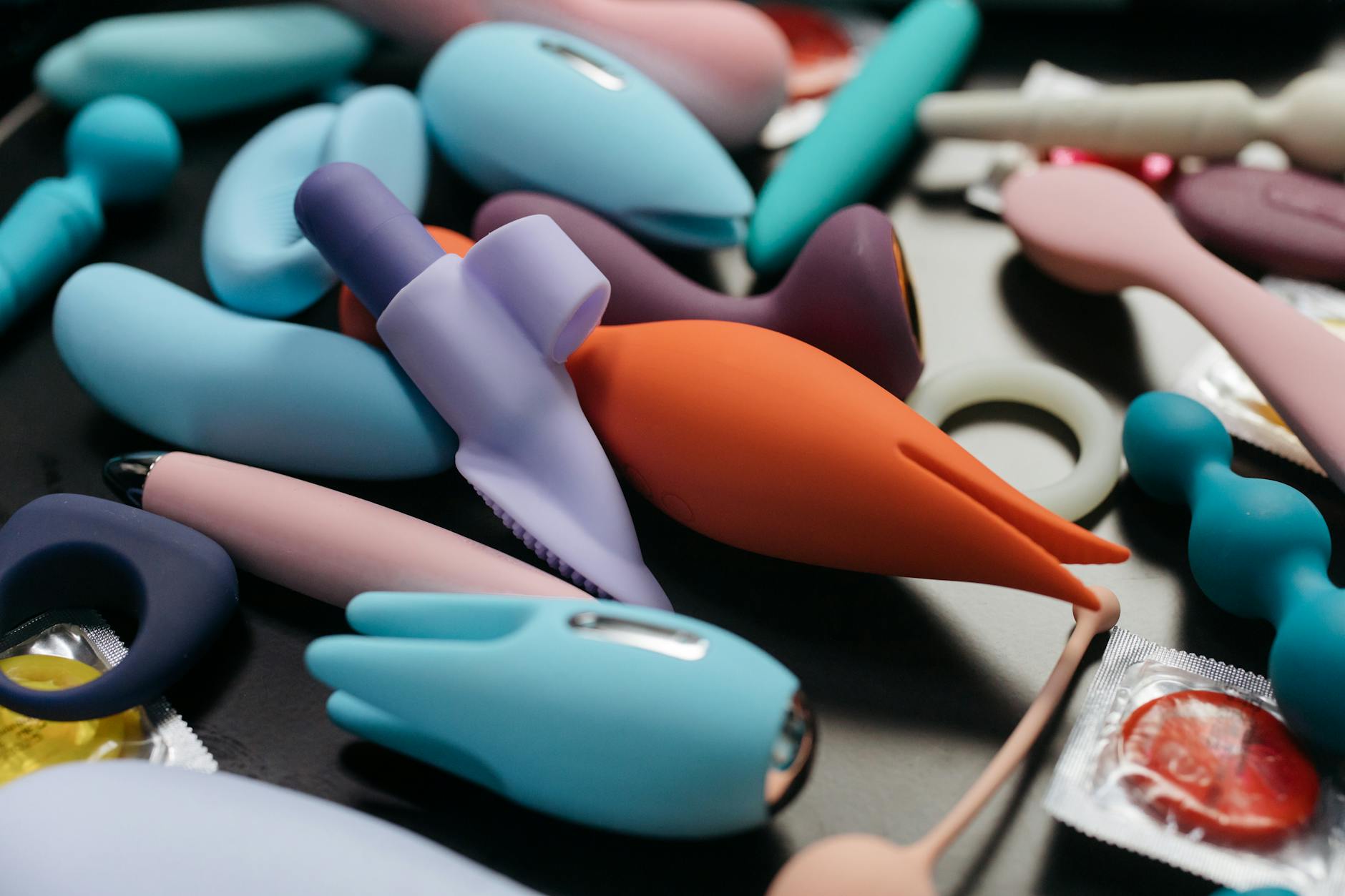
How to Use a Lemon Vibrator When Medication Changes Your Sensation
Your medication keeps you stable and healthy. But it's also flattened your pleasure. A clitoral vibrator isn't a workaround. It's the most direct path back.
You took the SSRI, the antihistamine, or the blood pressure med because it solved a real problem. Your anxiety quieted. Your allergies stopped. Your heart rate stabilized. And then pleasure just... flattened. Sensation became muted. Orgasm either disappeared entirely or showed up three times slower and half as intense.
Then someone suggested you "just try harder" or "talk to your partner more" or "give it time." None of those fix neurochemistry.
Here's what I've seen work: a lemon vibrator, used strategically and honestly, often rebuilds sensation faster than anything else. Not because it's magic. Because it's direct.
Most pleasure-dampening meds work the same way. SSRIs and SNRIs (the big category: sertraline, paroxetine, venlafaxine) increase serotonin in your brain. That's how they calm anxiety. But serotonin also suppresses dopamine in the pleasure pathways. More serotonin, less dopamine. Less dopamine, less sensation.
Antihistamines dry out mucous membranes everywhere, including your genitals. Drier tissue means reduced sensation and slower arousal.
Beta-blockers and ACE inhibitors for blood pressure work differently but land in the same place. They reduce adrenaline, which is part of the arousal chain. Fewer signals, quieter response.
The irony is brutal: the medication is keeping you mentally stable and physically healthy, but it's taxing the one system that's supposed to feel good.
Simple stimulation won't work here. Your nervous system has been numbed. Gentle touch or typical hand stimulation probably feels underwhelming or frustrating.
A lemon clitoral vibrator uses air-suction technology or high-frequency vibration to bypass the numbness. It creates intense, focused sensation in an area that's packed with nerve endings. You're not asking numb tissue to feel soft touch. You're flooding it with stimulation it can actually register.
The Lem vibrator, specifically, uses suction patterns that don't require the kind of direct friction that can feel uncomfortable on medication-sensitized skin. It's gentler on tissue but more intense in sensation. That's the sweet spot when you're rebuilding.
Most people make the same mistake. They think numbness means "I need maximum intensity immediately." It doesn't. It means you need consistent, escalating intensity over time.
Here's the protocol I recommend:
Week 1-2: Lowest setting, 5-10 minutes daily. Pick the gentlest suction or vibration pattern on your lemon vibrator. You're not chasing orgasm. You're waking up neural pathways. Daily exposure at low intensity teaches your brain and nervous system to register the sensation again.
Week 3-4: Increase frequency, not intensity yet. Use the vibrator 4-5 times a week. Start noticing what patterns feel good. Are you drawn to steady suction or rhythmic pulses? Does one side of the clitoris respond better? You're building awareness.
Week 5+: Introduce intensity. Once sensation is returning, gradually move to higher settings. The numbness should be lifting by now. Your body will tell you when intensity feels good rather than overwhelming.
This isn't slow because slow is virtuous. It's slow because your nervous system needs time to reorganize. Patience here actually works faster than impatience.
Even after sensation returns, arousal might still be slower. This is normal. Budget 20-30 minutes minimum for your body to reach a point where touch feels genuinely pleasurable rather than obligatory.
Here's what helps: start using your lemon vibrator during foreplay, not as the main event. Let your partner know you need longer to warm up. Literally longer. Don't apologize for it. This is how your nervous system works right now.
If you're solo, spend time on things that used to turn you on before the medication. Read erotica. Watch something that used to work. Fantasy and mental arousal still work, even when sensation is flat. Then bring in the vibrator once you notice the first hints of arousal building.
Here's the part that matters: talk to your prescriber. Specifically, say this: "My pleasure and sensation have flattened on this medication. What are my options?"
There are often real solutions:
Switching to a different SSRI within the same class sometimes helps. Bupropion actually increases dopamine, so some people switch to that. Not everyone can, but some can.
Timing the dose helps sometimes. If you take your SSRI at night, maybe the evening groove is better. If you skip the dose on a planned intimate evening, with your doctor's approval, sensation sometimes rebounds. This isn't common and requires explicit medical guidance, but it's worth asking about.
Adding something else to offset the flattening. Buspirone, bupropion, or even vitamin B6 can sometimes restore sensation without stopping the medication. Your doctor knows whether this is safe for you.
The point is this: don't assume medication-dulled pleasure is permanent. Many prescribers have never been asked about it directly. Asking changes things.
If you have a partner, this becomes a joint project, not a solo workaround.
Show them what you're learning. "When I use the vibrator on setting 2, sensation comes back. Can you try that with me?" Now they're not competing with medication. They're working alongside it.
Many partners feel relieved to have a concrete tool. It's not "something's wrong with our connection." It's "medication changes sensation, and this helps." That's fixable.
Some couples find that incorporating a lemon vibrator into partner sex is the doorway back to pleasure they both enjoy. You're not replacing anything. You're expanding what works.
Sensation usually starts returning in 2-3 weeks of consistent use, but orgasm might take longer. Some people report full restoration in 6-8 weeks. Others need 3-4 months.
That timeline isn't failure. That's your nervous system recalibrating.
What should happen faster: you should feel something within the first week. Increased tingling, more responsiveness, pleasure that registers as actual pleasure rather than obligation. If you're not feeling any shift after two weeks, your vibrator settings might be too intense (and you're bracing against it) or your arousal is too flat (and you need more mental foreplay beforehand).
One thing I tell people: the sensation you rebuild isn't identical to what you had before medication. It's usually better. You're more conscious of it. You know what it cost. And because you've deliberately rebuilt it, you tend to protect it better.
Your pleasure matters. Your stability matters too. A lemon vibrator is how you get to keep both.
Yes, absolutely. A lemon vibrator is actually one of the most practical tools for rebuilding sensation when SSRIs or SNRIs have flattened pleasure. The direct stimulation can bypass medication-induced numbness more effectively than manual stimulation. Just start at low intensity and increase gradually as sensation returns.
Most people notice some shift in sensation within 2-3 weeks of consistent use at low intensity. Full restoration of pleasure and orgasm often takes 6-8 weeks, though some people see results faster. The timeline depends on which medication you're taking, your dosage, how long you've been on it, and your individual nervous system response. Consistency matters more than intensity.
No. Your mental health and physical stability come first. Medication-flattened pleasure is a real side effect, but the solution is working with your prescriber to either adjust your medication, add something to offset the flattening, or find a tool like a lemon vibrator that helps you rebuild sensation without stopping a medication you need. Never stop psychiatric or cardiovascular medication without medical guidance.
Lemon vibrators using air-suction technology work particularly well because they create intense, focused sensation without requiring direct friction. This tends to be more effective for numb or desensitized tissue than standard vibration alone. That said, what matters most is finding what your nervous system responds to. Some people need intense vibration. Others do better with suction. Experiment at low intensity first.
Yes, and it often helps. Show them which patterns and intensities feel good to you. This turns medication-dampened pleasure into a shared problem you're solving together rather than something you're managing alone. Many couples find that introducing a clitoral vibrator into their intimate time is actually how they both feel more connected when one person is on medication that affects sensation.
First, make sure you're using it correctly: starting at the lowest setting, using it daily or 4-5 times a week, and giving your nervous system time to recalibrate rather than expecting immediate results. If you're doing that and seeing no change, the issue might be medication-related rather than tool-related. Have the conversation with your prescriber about whether an adjustment, a switch, or an add-on medication might help restore sensation faster. A vibrator amplifies what's there. If almost nothing is there, medication might need to shift first.