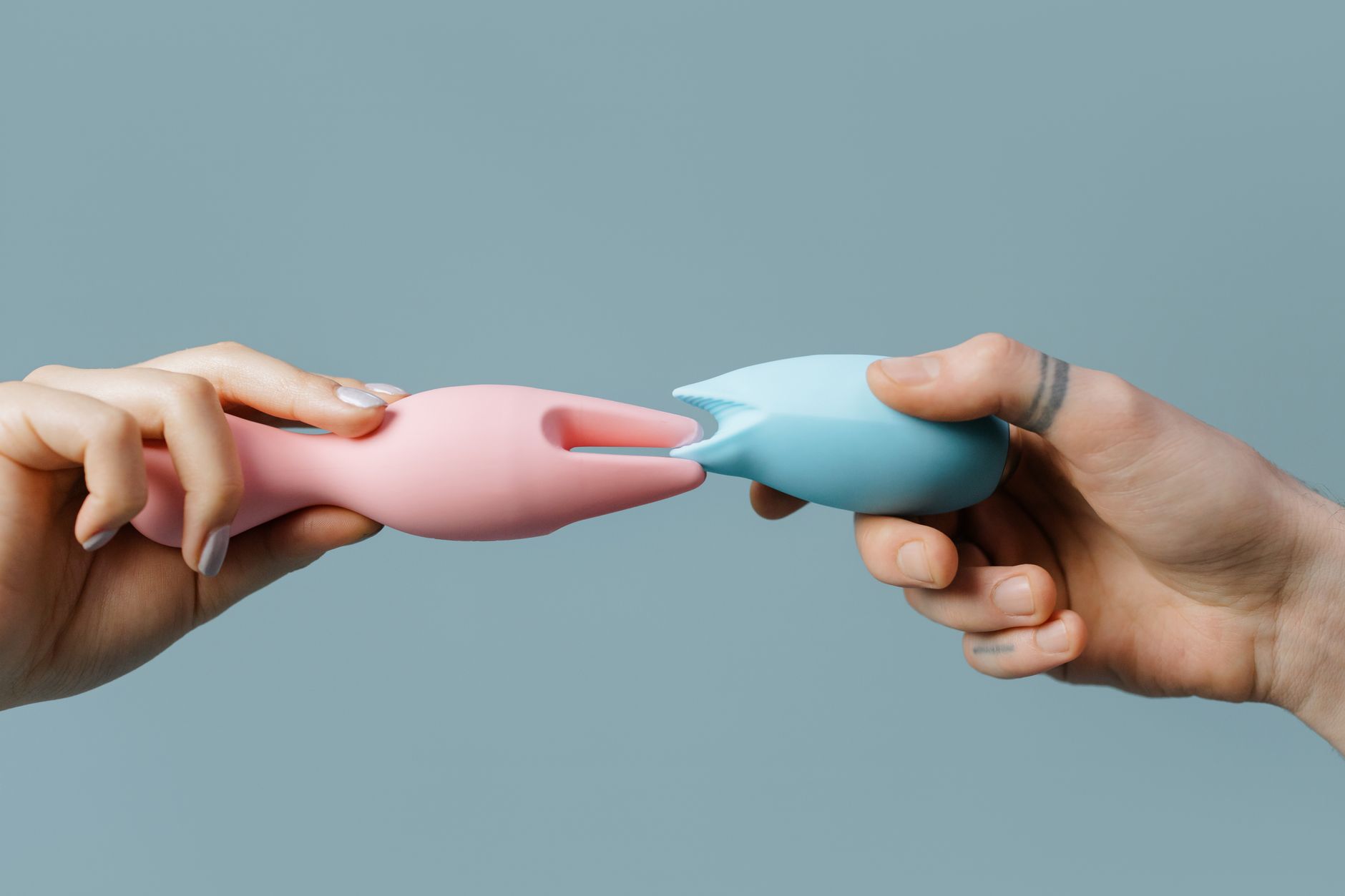
How to Use a Lemon Vibrator When Sensation Feels Numb After Depression or Grief
When depression or grief shuts down your body's pleasure response, a clitoral vibrator becomes a tool for slowly reconnecting. Here's exactly how to use one safely.
Depression and grief don't just affect your mood. They physically numb sensation. The same nervous system that lights up with pleasure gets dimmed by emotional pain, sometimes for weeks or months. Desire vanishes. Touch feels like nothing. You might go through the motions of intimacy on autopilot, feeling completely absent from your own body.
This isn't a sign that pleasure is gone forever. It's a sign that your system is overwhelmed and protecting itself. And there's a clear path back. A lemon clitoral vibrator like the Lem can be that path, but only if you use it right. Using it wrong—pushing too hard, expecting too much, treating it like a cure instead of a tool—can make the numbness worse.
I've worked with dozens of clients rebuilding sensation after depression and grief. The ones who recover best aren't the ones who white-knuckle their way back to "normal." They're the ones who approach their body with curiosity and patience, and let a good vibrator do what it's designed to do: provide strong, consistent stimulation that gradually wakes up the nervous system.
When you're depressed or grieving, your brain is flooded with stress hormones like cortisol. These hormones suppress dopamine and serotonin, which are essential for pleasure, motivation, and orgasm. At the same time, your nervous system goes into protective mode. The pathways that carry pleasure signals get downregulated. Your body is literally not registering touch the way it normally would.
Here's what gives me hope when I'm working with someone in this state: the pathways aren't broken. They're just quieted. And the best way to reactivate them isn't willpower or traditional stimulation. It's strong, external stimulation that reaches past the numbness.
This is why the Lem and other clitoral vibrators are so effective during this phase. They provide intensity and consistency that your hand or a partner's touch simply can't match. That consistent pressure and vibration literally retrains your nervous system to receive sensation again.
The hardest part is the first time. You're going to use the Lem and feel... not much. You might feel a little pressure. Maybe a vague buzzing sensation. This is normal and temporary. Your job is not to feel amazing. Your job is to show up and let the vibration do the work.
Here's what I tell clients to do:
Pick a time when you're alone and have no time pressure. Not bedtime when you're already exhausted. Not right after a stressful situation. Pick an afternoon, or a quiet morning, or whenever you have 20 minutes and your nervous system is at least somewhat calm.
Start with the Lem on pattern 1 or 2. Don't go straight to intensity. You're not trying to orgasm. You're trying to wake up sensation. Touch yourself externally first for a few minutes. Get familiar with your own skin again. This matters because depression also makes you want to hide from your body.
When you're ready, place the Lem directly on your clitoris with light pressure. Don't move it around. Just let it sit there. The suction pattern does the work. You just have to stay present.
Honestly, the first few weeks might not feel like much. You might feel frustration instead of pleasure. You might feel sad. You might feel nothing at all. All of this is exactly right.
What's happening is your nervous system is slowly recognizing that safe stimulation is possible. That something can touch you that isn't part of the crisis or grief. That your body might be worth paying attention to again.
During this phase, the goal is consistency, not intensity. Use the Lem 2-4 times a week. Keep sessions short (15-20 minutes). Stick with lower patterns unless you feel a clear draw toward higher ones. You're not chasing an orgasm. You're just showing up.
If you have a partner, they need to understand this too. The Lem isn't a replacement for them, and it's not a band-aid for what you've been through together. It's medicine for your nervous system. It's something you need separately.
At some point, maybe in week 3 or week 6, something shifts. You'll feel the vibration more clearly. Maybe there's a whisper of warmth. Maybe you notice you're thinking about this less like a chore and more like something you're actually choosing.
When that happens, you can start experimenting. Longer sessions. Higher patterns. Different angles. Combining it with fantasy or a partner's presence. Honestly, some people find that combining the Lem with a partner's touch (their hand on your lower belly, kissing your neck) is when things really come alive again. The external vibration plus the intimacy of being touched by someone else can be powerful.
Sometimes, when sensation comes back, so do the feelings you've been numb to. Pleasure can crack open sadness or anger or guilt. This is actually healthy. Your body isn't broken. It's finally able to feel.
If this happens, don't stop. Slow down. Cry. Let your partner know what's happening. Keep using the Lem, but without expectation. Some sessions will be grief sessions, not pleasure sessions. Both matter.
If you ever feel sharp pain (not pressure, pain), stop. Pain is different from numbness. It's a signal that something needs attention, possibly from a healthcare provider.
If using the Lem triggers trauma or panic, pause. You might need to work with a therapist before adding vibration. Depression and grief sometimes coexist with trauma, and going slowly is smart.
If you're still in acute grief (the first few weeks after a major loss), this might not be the right time. Waiting 4-6 weeks before introducing sensation work is often better.
Over time, sensation returns. Not as some magical reset, but gradually. One day you realize you actually wanted to use the Lem, not because you should, but because you wanted to. That's the real milestone. When desire shows up on its own.
From there, rebuilding pleasure looks like using your Lem when you feel like it. Exploring what patterns and angles feel best. Getting curious about your body again instead of just trying to fix it. If you have a partner, showing them what works. Having conversations about intimacy that aren't about the depression anymore.
Yes. A lemon vibrator isn't a replacement for therapy or medication. It's actually complementary. Rebuilding sensation and pleasure is part of recovery. Just go slowly, especially in the first few weeks of antidepressants, which can temporarily increase numbness before they help.
It varies. Some people notice small shifts in 3-4 weeks. For others it takes 8-12 weeks. Grief is slower than depression. The bigger variable is how severe the numbness is and how long you've been numb. Also: healing isn't linear. You might feel things clearly one week and then number again the next. This doesn't mean you failed.
Tell them that. This is your nervous system. If the idea of a partner's hand on you while you use the Lem feels like too much, you can start alone and add that layer later. Some people find combined touch helps. Others find it overwhelming. Trust what you need.
Reach out to your healthcare provider or therapist. Persistent numbness sometimes means the depression or grief needs different support. A vibrator is a tool, not a solution. If your body's protective response is really locked down, you might need additional help to unlock it.
Rebuiding pleasure after depression or grief isn't about getting back to where you were. You can't. You've been through something. But you can build something new. Something deeper, because you've been that far down and found your way back.
The lemon clitoral vibrator is just a tool for that journey. The real work is showing up for your body, even when it feels like nothing's there. Especially then. That's where the healing lives.
If you're struggling with persistent numbness alongside your recovery, consider reaching out. Contact us if you have questions about finding the right tool for your healing.